blog spot
THE
health hub
A collection of helpful articles & information to spread awareness through education from our staff to you

Sneezing, congestion, coughing, and a runny nose can all show up this fall. Here’s how to know what may be causing your child’s symptoms and how to prepare for the season ahead.
Fall brings cooler weather, school routines, outdoor activities, and unfortunately, plenty of sniffles.
For parents, one of the hardest parts is figuring out what those symptoms actually mean.
Is it seasonal allergies? A common cold? Flu? Something your child picked up at school?
While symptoms can overlap, there are a few clues that can help you decide what to do next.
Why Do Allergies Get Worse in the Fall?
Spring gets most of the attention when it comes to allergies, but fall can be difficult for children with seasonal allergies too.
Ragweed pollen is one of the major fall allergy triggers. Mold spores can also increase around damp leaves, soil, and other outdoor areas.
Children with fall allergies may experience:
→ Frequent sneezing
→ Clear or runny nose
→ Nasal congestion
→ Itchy or watery eyes
→ Itchy nose or throat
→ Postnasal drip
→ Mild coughing, especially from drainage
One useful clue is itchiness. An itchy nose, eyes, or throat is much more characteristic of allergies than many viral illnesses.
Allergy symptoms may also persist or return when your child is exposed to their triggers.
Allergies vs. a Cold: What Should Parents Look For?
A runny nose alone doesn’t always give you the answer.
With seasonal allergies, children commonly have clear nasal drainage, sneezing, itchy or watery eyes, and symptoms that follow exposure to allergens. Allergies themselves do not cause fever and aren’t contagious.
A viral respiratory infection may include congestion and coughing too, but your child may also develop fever, sore throat, fatigue, decreased appetite, or symptoms that change over several days.
And once school is back in session, children have plenty of opportunities to encounter respiratory viruses.
If you’re unsure which one you’re dealing with, especially when symptoms are worsening rather than improving, an evaluation can help.
What About the Flu?
Flu can look very different from a typical case of seasonal allergies.
Children with influenza may develop symptoms such as:
→ Fever or chills
→ Cough
→ Sore throat
→ Runny or stuffy nose
→ Headache or body aches
→ Significant tiredness
→ Vomiting or diarrhea, which can occur more commonly in children than adults
Unlike seasonal allergies, flu is caused by a virus and can spread from person to person.
That makes fall a good time to think beyond treating today’s sniffles and start preparing your family for the respiratory illness season ahead.
Fall Is a Good Time to Check Your Child’s Vaccines
Fall also means the start of another flu season, making this a good time to check whether your family is up to date on recommended vaccinations.
The CDC recommends annual flu vaccination for most people ages 6 months and older. Staying current on recommended vaccines can help protect your family as respiratory illnesses begin circulating more frequently during the fall and winter months.
Night Watch Urgent Care offers routine and seasonal vaccinations, making it easier to take care of this important fall health task.
Vaccine availability may vary, so call your nearest Night Watch location to confirm which vaccines are currently available before your visit.
Helping Your Child Through Fall Allergy Season
If allergies are the problem, reducing exposure can sometimes make the season more comfortable.
Try having children wash their hands and face after spending time outside, change clothes after heavy outdoor exposure, keep windows closed when pollen counts are high, and avoid letting piles of damp leaves accumulate around areas where children play.
Your child’s healthcare provider can also help you determine whether an age-appropriate allergy treatment may be useful.
When Should Your Child Be Seen?
Not every sniffle needs an urgent care visit. But it may be time for an evaluation if you’re unsure whether symptoms are allergies or an illness, symptoms continue to worsen, your child develops a persistent or high fever, they’re having difficulty eating or drinking, or they’re simply not acting like themselves.
Seek emergency care for significant difficulty breathing, blue or gray lips or skin, severe dehydration, or if your child is extremely difficult to wake.
We’re Here for the Unexpected Fall Sick Days
Whether it’s a cough that appeared overnight, a fever after school, worsening allergy symptoms, or you’re simply unsure what’s making your child sick, Night Watch Urgent Care is here to help.
CATEGORY
9/18/2026
POSTED
As parents, we spend weeks preparing our children for a new school year. We buy backpacks, sharpen pencils, and check off school supply lists.
But there’s one important item many families forget:
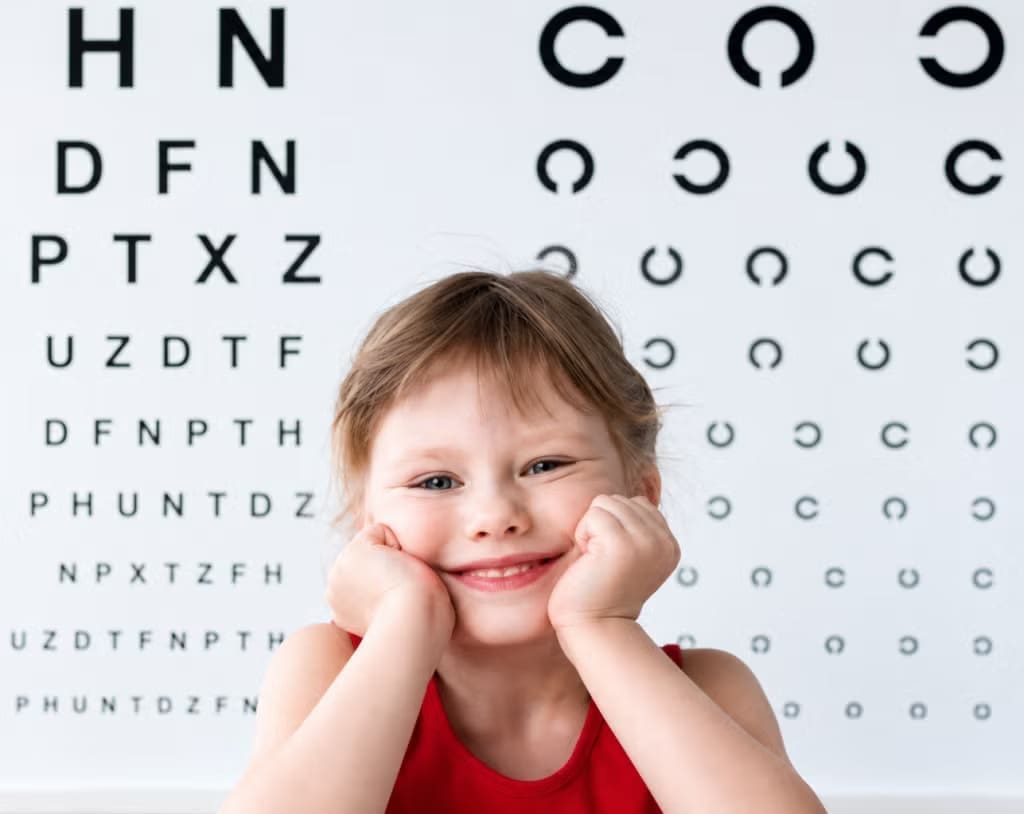
Can your child actually see the board?
August is Children’s Eye Health and Safety Month, making it the perfect time to think about your child’s vision before school begins. Good eyesight plays a major role in learning, reading, sports, and everyday confidence. Many vision problems develop gradually, and children often don’t realize they’re seeing differently because it’s all they’ve ever known.
A simple vision screening during your child’s annual well visit can help identify concerns early.
Why Eye Health Matters
Nearly 80% of classroom learning is visual. Children rely on their eyesight to:
✔ Read books and worksheets
✔ See the classroom board
✔ Complete homework
✔ Participate in sports
✔ Develop hand-eye coordination
When vision problems go unnoticed, they can sometimes be mistaken for learning difficulties or attention problems.
Signs Your Child May Be Having Trouble Seeing
Children don’t always tell parents when something looks blurry.
Instead, you may notice they:
• Squint often
• Sit very close to the TV or tablet
• Hold books close to their face
• Rub their eyes frequently
• Complain of headaches after reading
• Lose their place while reading
• Avoid reading or homework
If you’ve noticed any of these signs, it’s worth mentioning them during your child’s next well visit.
Screen Time and Eye Strain
Today’s kids use screens for school, homework, entertainment, and staying connected with friends.
While screen time doesn’t usually cause permanent eye damage, it can lead to digital eye strain, leaving children with tired, dry, or uncomfortable eyes.
Simple habits can help:
✔ Encourage breaks every 20 minutes
✔ Remind your child to blink regularly
✔ Keep screens about 18–24 inches away
✔ Reduce glare when possible
✔ Adjust screen brightness to a comfortable level
Small changes can make a big difference, especially during the school year.
Vision Milestones by Age
Every child develops differently, but routine vision screenings help ensure healthy eye development.
Babies (Birth–12 Months)
Your pediatrician checks that your baby’s eyes are developing normally and that they can focus, track movement, and respond to light.
Toddlers and Preschoolers
As children grow, they’re developing depth perception, hand-eye coordination, color vision, and visual memory.
School-Age Children
Routine vision screenings become increasingly important as reading, writing, sports, and classroom learning place greater demands on their eyesight.
If a screening identifies concerns, your pediatrician may recommend a comprehensive eye exam with an eye specialist.
Why Well Visits Matter
Your child’s annual well visit is about much more than vaccines.
It’s also an opportunity to monitor growth, development, hearing, vision, and overall health before the school year begins.
If we notice anything unusual during your child’s vision screening, we’ll discuss the next steps and refer you to an eye specialist if needed.
Early detection gives children the best opportunity for healthy vision and successful learning.
Schedule Your Child’s Back-to-School Well Visit
Before the first school bell rings, make sure your child is ready to learn with confidence.
At KidsWatch Pediatrics, our well visits include:
✔ Vision screening
✔ Hearing screening
✔ Growth and development checks
✔ School forms
✔ Immunizations
One visit helps prepare your child for a healthy, successful school year.
CATEGORY
8/07/2026