blog spot
THE
health hub
A collection of helpful articles & information to spread awareness through education from our staff to you

Sneezing, congestion, coughing, and a runny nose can all show up this fall. Here’s how to know what may be causing your child’s symptoms and how to prepare for the season ahead.
Fall brings cooler weather, school routines, outdoor activities, and unfortunately, plenty of sniffles.
For parents, one of the hardest parts is figuring out what those symptoms actually mean.
Is it seasonal allergies? A common cold? Flu? Something your child picked up at school?
While symptoms can overlap, there are a few clues that can help you decide what to do next.
Why Do Allergies Get Worse in the Fall?
Spring gets most of the attention when it comes to allergies, but fall can be difficult for children with seasonal allergies too.
Ragweed pollen is one of the major fall allergy triggers. Mold spores can also increase around damp leaves, soil, and other outdoor areas.
Children with fall allergies may experience:
→ Frequent sneezing
→ Clear or runny nose
→ Nasal congestion
→ Itchy or watery eyes
→ Itchy nose or throat
→ Postnasal drip
→ Mild coughing, especially from drainage
One useful clue is itchiness. An itchy nose, eyes, or throat is much more characteristic of allergies than many viral illnesses.
Allergy symptoms may also persist or return when your child is exposed to their triggers.
Allergies vs. a Cold: What Should Parents Look For?
A runny nose alone doesn’t always give you the answer.
With seasonal allergies, children commonly have clear nasal drainage, sneezing, itchy or watery eyes, and symptoms that follow exposure to allergens. Allergies themselves do not cause fever and aren’t contagious.
A viral respiratory infection may include congestion and coughing too, but your child may also develop fever, sore throat, fatigue, decreased appetite, or symptoms that change over several days.
And once school is back in session, children have plenty of opportunities to encounter respiratory viruses.
If you’re unsure which one you’re dealing with, especially when symptoms are worsening rather than improving, an evaluation can help.
What About the Flu?
Flu can look very different from a typical case of seasonal allergies.
Children with influenza may develop symptoms such as:
→ Fever or chills
→ Cough
→ Sore throat
→ Runny or stuffy nose
→ Headache or body aches
→ Significant tiredness
→ Vomiting or diarrhea, which can occur more commonly in children than adults
Unlike seasonal allergies, flu is caused by a virus and can spread from person to person.
That makes fall a good time to think beyond treating today’s sniffles and start preparing your family for the respiratory illness season ahead.
Fall Is a Good Time to Check Your Child’s Vaccines
Fall also means the start of another flu season, making this a good time to check whether your family is up to date on recommended vaccinations.
The CDC recommends annual flu vaccination for most people ages 6 months and older. Staying current on recommended vaccines can help protect your family as respiratory illnesses begin circulating more frequently during the fall and winter months.
Night Watch Urgent Care offers routine and seasonal vaccinations, making it easier to take care of this important fall health task.
Vaccine availability may vary, so call your nearest Night Watch location to confirm which vaccines are currently available before your visit.
Helping Your Child Through Fall Allergy Season
If allergies are the problem, reducing exposure can sometimes make the season more comfortable.
Try having children wash their hands and face after spending time outside, change clothes after heavy outdoor exposure, keep windows closed when pollen counts are high, and avoid letting piles of damp leaves accumulate around areas where children play.
Your child’s healthcare provider can also help you determine whether an age-appropriate allergy treatment may be useful.
When Should Your Child Be Seen?
Not every sniffle needs an urgent care visit. But it may be time for an evaluation if you’re unsure whether symptoms are allergies or an illness, symptoms continue to worsen, your child develops a persistent or high fever, they’re having difficulty eating or drinking, or they’re simply not acting like themselves.
Seek emergency care for significant difficulty breathing, blue or gray lips or skin, severe dehydration, or if your child is extremely difficult to wake.
We’re Here for the Unexpected Fall Sick Days
Whether it’s a cough that appeared overnight, a fever after school, worsening allergy symptoms, or you’re simply unsure what’s making your child sick, Night Watch Urgent Care is here to help.
CATEGORY
9/18/2026
POSTED
Save this before misinformation does the damage. Sexual health misinformation has a way of sticking around.
Even in 2026, myths about sexually transmitted infections (STIs), testing, symptoms, and transmission can influence whether someone gets screened, seeks treatment, or unknowingly exposes a partner.
The problem is that STIs do not always behave the way people expect. Many infections can cause few or no symptoms, and you cannot determine someone’s STI status based on how healthy they look or feel.
Here are five sexual health myths worth leaving behind.
Myth #1: “I’d know if I had an STI.”
Fact: You may have no symptoms at all.
This is one of the most important misconceptions about sexual health.
Many STIs can be asymptomatic, meaning an infection may be present without obvious symptoms. Chlamydia and gonorrhea, for example, frequently occur without noticeable symptoms.
Even when symptoms do occur, they may be mild enough to overlook or mistake for something else.
That means waiting for burning, discharge, sores, pain, or another obvious symptom is not a reliable way to know your status.
The takeaway: If you have a reason to be tested, feeling completely fine should not stop you from getting screened.
Myth #2: “You can catch an STI from a public toilet seat.”
Fact: Toilet seats are not a typical route of STI transmission.
This myth has been around for generations.
STIs are primarily transmitted through sexual contact, including vaginal, anal, or oral sex. Some infections can also spread through close skin-to-skin sexual contact or exposure to infected blood.
Sitting on a public toilet seat is not considered a realistic route of transmission for common STIs.
So while good hygiene in public bathrooms is always reasonable, the toilet seat is not where your attention should be focused when thinking about STI prevention.
The takeaway: Understanding how STIs actually spread helps you focus on the risks that matter.
Myth #3: “If my partner looks healthy, they probably don’t have an STI.”
Fact: You cannot tell someone’s STI status by looking at them.
No rash. No sores. No discharge. No complaints.
None of these proves that someone is STI-free.
Because many infections can remain asymptomatic, someone can feel healthy, look healthy, and still have an infection.
This is also why relying only on a partner to tell you whether they “feel fine” is not the same as knowing their testing status.
The takeaway: Testing gives you information that appearances cannot.
Myth #4: “If I’m in a relationship, I don’t need STI testing.”
Fact: Your need for screening depends on your individual circumstances and risk factors, not simply your relationship status.
Being in a relationship does not automatically answer questions about sexual health.
A new relationship can actually be an important time for partners to discuss previous testing, sexual history, protection, and whether screening makes sense.
Testing may also be appropriate after a new sexual partner, possible exposure, unprotected sex, or when recommended as part of routine preventive care.
The takeaway: STI testing is healthcare. It does not need to be treated as an accusation or a sign of distrust.
Myth #5: “If I don’t have symptoms, I can just wait.”
Fact: Delaying testing can allow some untreated infections to cause complications or be transmitted to others.
Some untreated STIs can eventually contribute to complications such as pelvic inflammatory disease and fertility problems. An infection can also be passed to another person even when symptoms are absent.
Knowing your status allows you and your healthcare provider to determine whether treatment, additional testing, or follow-up is needed.
Testing before symptoms appear can be exactly the point.
Sexual Health Should Be Based on Facts, Not Assumptions
There should be nothing embarrassing about wanting to know your STI status.
You do not need to wait until you have symptoms. You do not need to “look sick.” And you do not need to wait until you are certain something is wrong.
Testing can simply be part of taking care of your health.
At Night Watch Urgent Care – Stone Ridge, we offer confidential STI/STD testing for adults, including rapid testing options for certain infections.
Whether you have symptoms, a recent exposure, a new partner, or simply want clarity about your status, our team can help determine which tests are appropriate for you.
Night Watch Urgent Care – Stone Ridge / Aldie
42010 Village Center Plaza, Suite 100
Aldie, VA
(703) 775-4999
Walk-ins are welcome, or you can book a visit online.
Feeling fine is reassuring. Knowing your status gives you answers.
CATEGORY
9/04/2026
POSTED
Every September, the same thing happens across Northern Virginia.
School starts. Kids come home exhausted. And within two weeks, someone in the house is sick.
It feels inevitable. And honestly, to some extent it is. When children return to school after a summer of limited social contact, their immune systems meet a wave of new viruses and bacteria all at once. That immune system challenge is normal and even healthy in the long run.
But there is a significant difference between a child whose immune system is well supported heading into September and one who is running on poor sleep, erratic meals, and sugar-heavy snacks. The first child bounces back quickly. The second one gets hit harder and stays sick longer.
Here is the practical immune support guide that actually makes a difference before school starts.
Sleep: The Most Underrated Immune Tool
If you could only do one thing to support your child’s immune system before school starts, prioritizing sleep would be it.
During sleep, the body produces and releases cytokines, proteins that target infection and inflammation. Without adequate sleep, cytokine production drops and the immune system becomes significantly less effective at fighting off the viruses and bacteria your child will encounter in the classroom.
The research on this is not subtle. Children who consistently get less sleep than their bodies need get sick more often, stay sick longer, and take longer to recover.
How much sleep does your child actually need?
Toddlers ages 1 to 2: 11 to 14 hours including naps Preschoolers ages 3 to 5: 10 to 13 hours including naps School age children ages 6 to 12: 9 to 12 hours Teenagers ages 13 to 18: 8 to 10 hours
Most school-age children in Northern Virginia are getting less than this, especially after a summer of late nights and flexible schedules.
What to do before school starts.
Start shifting bedtime earlier now, before September hits. Moving bedtime 15 minutes earlier every two days gives the body time to adjust without the brutal shock of suddenly going to bed an hour earlier on a school night.
Remove screens from the bedroom at least one hour before bed. The blue light emitted by phones, tablets, and televisions suppresses melatonin production and makes it significantly harder for children to fall asleep at the time they need to.
Keep the sleep environment cool, dark, and consistent. The same routine every night, bath, reading, lights out, signals the body that sleep is coming and makes falling asleep faster and easier.
Nutrition: Building Blocks for a Stronger Immune System
Food does not prevent illness. But the right nutritional foundation makes a measurable difference in how well and how quickly the immune system responds when it encounters one.
The nutrients that matter most for pediatric immune function.
Vitamin C supports the production of white blood cells and helps the immune system fight infections. Good sources include citrus fruit, strawberries, bell peppers, broccoli, and kiwi.
Vitamin D is one of the most important nutrients for immune regulation and one of the most common deficiencies in children. Many children in Northern Virginia are low in vitamin D, especially those who spend limited time outdoors. Food sources include fatty fish, egg yolks, and fortified dairy products, but many children benefit from a supplement. Talk to your child’s provider about whether testing or supplementation makes sense.
Zinc supports immune cell development and helps the body respond to infections faster. Found in meat, shellfish, legumes, seeds, and whole grains.
Iron deficiency is one of the most missed nutritional issues in children and it significantly impacts immune function, energy levels, focus, and behavior. Signs include fatigue, paleness, frequent illness, and difficulty concentrating. If your child seems chronically tired or gets sick often, iron levels are worth checking at their next well child visit.
Protein is essential for building and repairing immune cells. Every meal should include a quality protein source.
What the back to school breakfast actually looks like.
The breakfast most children eat before school, sugary cereal, flavored yogurt, juice, a pastry, causes a rapid blood sugar spike followed by a crash within an hour or two. That crash shows up as difficulty focusing, low energy, irritability, and a compromised immune response.
A better breakfast includes protein, fiber, and healthy fat. Eggs on whole grain toast. Greek yogurt with fruit and nuts. Oatmeal with nut butter. These combinations keep blood sugar stable through the morning and give the immune system the building blocks it needs.
Limit the ultra-processed foods.
This does not mean perfect eating. It means being intentional about what fills most of the plate most of the time. Ultra-processed foods high in added sugar, artificial ingredients, and refined carbohydrates promote inflammation and disrupt the gut microbiome, both of which weaken immune function over time.
Hand Washing: Still the Single Most Effective Prevention Tool
Every year, new supplements and products are marketed as immune boosters for children. And every year, the research continues to show that consistent hand washing remains the single most effective tool for preventing the spread of illness in school settings.
Not hand sanitizer. Hand washing with soap and water for at least 20 seconds.
Alcohol-based hand sanitizers are useful when soap and water are not available, but they do not eliminate all pathogens. They are particularly ineffective against norovirus, one of the most common causes of stomach illness in school settings, and they are also ineffective against Cyclospora, the parasite that has been circulating in Northern Virginia this summer.
The four moments that matter most for children.
Before eating lunch or a snack. After using the bathroom. After blowing or wiping the nose. After touching shared surfaces like door handles, water fountain buttons, and shared supplies.
How to make it stick.
The challenge with hand washing is not knowledge. Most children know they should do it. The challenge is habit. Building the routine of washing at the same moments every day before school starts gives children the muscle memory to do it automatically once the school year is in full swing.
For younger children, making it fun helps. A song that lasts 20 seconds, letting them choose their own soap, or a reward chart in the early weeks of school all increase compliance significantly.
Gut Health: The Immune Connection Most Parents Miss
Approximately 70 percent of the immune system lives in the gut. This is not a wellness trend. It is well-established immunology. The gut microbiome, the community of bacteria, viruses, and other microorganisms that live in the digestive tract, plays a direct role in regulating immune function, managing inflammation, and protecting against pathogens.
A disrupted gut microbiome means a less effective immune system. And several things that are common in children’s lives actively disrupt it.
What disrupts the gut microbiome in children.
Antibiotic use is the most significant disruptor. Every course of antibiotics, even a necessary one, temporarily reduces the diversity of the gut microbiome. Children who have had frequent antibiotic courses may benefit from probiotic support, though the evidence on specific strains and dosing is still evolving. Talk to your child’s provider rather than guessing at over the counter options.
High sugar and ultra-processed food diets reduce the diversity of beneficial gut bacteria over time.
Poor sleep also disrupts gut microbiome balance. This is one of the reasons sleep affects immunity so profoundly.
What supports gut health in children.
Fiber is the most important dietary factor for a healthy gut microbiome. Beneficial gut bacteria feed on fiber. Fruits, vegetables, whole grains, legumes, and nuts all contribute. Most children in the US eat significantly less fiber than they need.
Fermented foods like yogurt with live cultures, kefir, and certain cheeses introduce beneficial bacteria directly. Not all children will eat these foods readily, but even small amounts regularly make a difference.
Variety in the diet matters more than people realize. A diverse range of plant foods feeds a diverse range of beneficial bacteria. Aim for as many different vegetables, fruits, and whole grains across the week as possible rather than relying on the same few foods every day.
When Immune Support Is Not Enough
Even with excellent sleep, good nutrition, consistent hand washing, and a healthy gut, children get sick. That is not a failure. It is a normal part of childhood immune development.
What matters is recognizing when a sick child needs to be seen versus when rest and fluids are the right call.
Come in to Night Watch if your child has:
A fever above 104°F or a fever that lasts more than three days. A sore throat with fever and no runny nose or cough, which may be strep. Symptoms that are getting progressively worse after the first few days rather than improving. An ear infection with significant pain or drainage. A rash alongside a fever. A cough that is not improving after two weeks. Anything that just does not feel right to you as a parent.
We are open late every weekday and every weekend at all three Northern Virginia locations. Walk in anytime. No appointment needed.
And if your child still needs their back to school physical, vaccines, or a well child visit before September starts, come in this week while August is still easy.
This blog post is for educational purposes only and does not constitute medical advice. Please consult with a qualified healthcare provider for personalized guidance regarding your child’s health.
CATEGORY
8/17/2026
POSTED
Summer is meant for splash pads, pool days, sports camps, cookouts, and family vacations. But it’s also the season when pediatricians and urgent care providers see an increase in preventable illnesses and injuries.
From dehydration and sunburns to tick bites and bike accidents, a few simple precautions can help keep your child healthy all summer long.
Here’s what our pediatric team recommends.
Stay Ahead of Heat Illness
Children heat up faster than adults, making them more susceptible to dehydration and heat exhaustion during outdoor play.
Help prevent heat-related illness by:
✔ Offering water every 20–30 minutes during outdoor activities, even if your child isn’t thirsty.
✔ Scheduling outdoor play in the morning or evening when temperatures are cooler.
✔ Taking frequent breaks in the shade or air conditioning.
Watch for early signs of heat exhaustion, including:
• Excessive sweating
• Headache
• Dizziness
• Fatigue
• Nausea
• Pale or clammy skin
If your child becomes confused, stops sweating despite the heat, loses consciousness, or has a temperature above 104°F, seek emergency medical care immediately. (Hopkins Medicine)
Protect Their Skin from the Sun
A painful sunburn can happen faster than many parents realize, even on cloudy days.
To reduce your child’s risk:
✔ Apply a broad-spectrum sunscreen with SPF 30 or higher about 15–30 minutes before going outside.
✔ Reapply every two hours, or sooner after swimming or heavy sweating.
✔ Encourage hats, sunglasses, and lightweight protective clothing.
✔ Whenever possible, seek shade during the strongest sun hours, typically between 10 a.m. and 4 p.m. (Premier Medical Group)
Water Safety Is More Than Knowing How to Swim
Whether you’re visiting a neighborhood pool, lake, or beach, active supervision is the most important safety measure.
Remember to:
✔ Keep young children within arm’s reach in or near water.
✔ Never rely solely on flotation devices.
✔ Choose U.S. Coast Guard-approved life jackets for boating.
✔ Designate one adult as the “water watcher” without distractions from phones or conversations.
Drowning can happen quickly and quietly, making constant supervision essential. (Hopkins Medicine)
Don’t Forget Helmets
Bikes, scooters, skateboards, and rollerblades are part of summer fun, but they’re also common reasons children visit urgent care.
Help prevent serious injuries by:
✔ Wearing a properly fitted helmet every ride.
✔ Using knee and elbow pads when appropriate.
✔ Riding in safe areas away from traffic.
✔ Checking equipment regularly for loose parts or damage.
Keep an Eye Out for Ticks and Mosquitoes
Northern Virginia’s wooded parks and hiking trails are beautiful during the summer, but they’re also home to ticks and mosquitoes.
To lower your child’s risk:
✔ Use an EPA-registered insect repellent appropriate for your child’s age.
✔ Wear long sleeves and pants when hiking in wooded or grassy areas.
✔ Perform a full tick check after outdoor activities.
✔ Remove ticks promptly with fine-tipped tweezers if found.
Practice Safe Summer Eating
Picnics, barbecues, and fresh produce are summer favorites, but foodborne illnesses also become more common this time of year.
Help keep your family safe by:
✔ Washing fruits and vegetables thoroughly.
✔ Keeping cold foods cold and hot foods hot.
✔ Avoiding foods that have been left out for extended periods.
✔ Washing hands before eating and preparing meals.
Be Prepared for Allergies and Insect Stings
If your child has food allergies or a history of severe allergic reactions:
✔ Always carry their prescribed emergency medication.
✔ Make sure caregivers, camp counselors, and relatives know how to recognize an allergic reaction.
✔ Have an action plan before heading to camps, parties, or outdoor events.
Know When to Visit Urgent Care
Many summer illnesses and injuries can be evaluated without a trip to the emergency room.
Visit Night Watch Urgent Care or KidsWatch Pediatrics for:
→ Minor cuts that may need stitches
→ Sprains and suspected minor fractures
→ Tick bites
→ Mild dehydration
→ Sunburn
→ Ear infections after swimming
→ Rashes and insect bites
→ Vomiting or diarrhea without severe dehydration
Always call 911 or go to the nearest emergency department for difficulty breathing, seizures, loss of consciousness, severe allergic reactions, or major injuries.
Enjoy a Safe and Healthy Summer
A little preparation goes a long way toward preventing common summer illnesses and injuries.
If your child needs care this summer, our team is here seven days a week with walk-in appointments, pediatric expertise, and convenient care when you need it most.
Stay safe, stay hydrated, and enjoy everything summer in Northern Virginia has to offer!
CATEGORY
7/23/2026
POSTED
When your child has been sick for days with vomiting and diarrhea, every parent asks the same question.
Is this just a stomach bug or is something else going on?
This summer that question matters more than usual. A parasite called Cyclospora is circulating nationally with over 1,600 confirmed cases and four already identified right here in Northern Virginia. And because it looks a lot like food poisoning and the typical stomach virus, it keeps getting missed.
Here is a clear breakdown of all three so you know exactly what you are dealing with and when to come in.

The Stomach Virus
The stomach virus is the most common cause of vomiting and diarrhea in children and what most parents are used to dealing with. The most well known culprit is norovirus, though several other viruses can cause the same symptoms.
What it looks like
Vomiting and diarrhea that comes on suddenly, often accompanied by a low fever, nausea, and stomach cramps. Your child may feel completely fine one hour and then be sick the next. The onset is typically rapid and the first 12 to 24 hours are usually the worst.
How it spreads
This is where the stomach virus stands out from the other two. It spreads easily and quickly from person to person through direct contact, shared surfaces, and contaminated food or water. If one person in the household gets it, others usually follow within a day or two.
How long it lasts
Most stomach viruses resolve within 24 to 72 hours with rest and fluids. Symptoms tend to improve steadily after the first day.
The key tell
Multiple people in the household get sick within a short window. Symptoms come on fast and improve just as fast.
Food Poisoning
Food poisoning occurs when contaminated food or drink introduces bacteria, viruses, or toxins into the digestive system. Common culprits include Salmonella, E. coli, Staph aureus, and Listeria.
What it looks like
Vomiting, diarrhea, and stomach cramps that come on quickly, usually within a few hours of eating the contaminated food. It can be intense but tends to move through the system relatively fast. Some types of food poisoning also cause fever.
How it spreads
Food poisoning does not spread person to person the way a stomach virus does. It comes from a specific contaminated food source. Others in the household may get sick if they ate the same food, but not from being around the sick person.
How long it lasts
Most cases of food poisoning resolve within 24 to 48 hours. The faster onset and faster resolution is what typically distinguishes it from other causes.
The key tell
Symptoms begin within hours of a specific meal. The timeline from eating to getting sick is usually short and obvious.
Cyclospora
This is the one making headlines this summer and the one most likely to get missed. Cyclospora cayetanensis is a microscopic parasite, not a virus or bacterium, and it behaves very differently from the other two.
What it looks like
Watery diarrhea that will not quit, loss of appetite, bloating, cramping, fatigue, and sometimes a low fever. Symptoms usually appear about a week after exposure, though anywhere from two days to two weeks is considered normal. This delayed onset is one of the reasons it gets missed.
How it spreads
Cyclospora does not spread from person to person. This is one of its most important distinguishing features. It spreads through contaminated food or water, most often fresh produce like lettuce, herbs, and berries. Past outbreaks have been linked to fresh basil, cilantro, raspberries, and salad greens.
How long it lasts
This is the biggest red flag. Without treatment, Cyclospora can drag on for weeks, often easing up and then coming back. The CDC describes this relapsing pattern as a hallmark of the illness. A child who seems to be getting better and then gets sick again with the same symptoms is a significant warning sign.
With the right antibiotic treatment, trimethoprim-sulfamethoxazole, symptoms resolve relatively quickly.
The key tell
Diarrhea that keeps coming back after seeming to improve. No one else in the household is sick. Your child recently ate fresh produce. Symptoms started gradually about a week after exposure rather than within hours.
One critical thing to know about testing
Standard stool tests do not always detect Cyclospora. It requires specific laboratory testing that is not part of a routine ova and parasite panel. If you suspect Cyclospora based on your child’s symptoms, mention it specifically when you come in. The earlier it is identified and treated, the faster your child recovers.
Side by Side Comparison
Onset Stomach virus: sudden, within hours Food poisoning: fast, within hours of eating Cyclospora: gradual, about a week after exposure
Duration Stomach virus: 24 to 72 hours Food poisoning: 24 to 48 hours Cyclospora: weeks if untreated, relapsing pattern
Spreads person to person Stomach virus: yes, easily Food poisoning: no Cyclospora: no
Source Stomach virus: contact with infected person or surface Food poisoning: specific contaminated food Cyclospora: contaminated fresh produce
Treatment Stomach virus: rest and fluids, supportive care Food poisoning: rest and fluids, supportive care Cyclospora: specific antibiotic required
When to Come In
Any of these three conditions can lead to dehydration, which is the most serious complication in children. Come in to Night Watch if your child has any of the following.
We offer on-site evaluation and IV hydration therapy for children who are significantly dehydrated. Walk in anytime. No appointment needed.
How to Protect Your Family from Cyclospora This Summer
Since Cyclospora is the one circulating right now, here are the prevention steps that matter most.
👉 Wash hands with soap and water. Hand sanitizer does not kill this parasite. Soap and water does.
👉 Skip pre-washed bagged salad. Buy whole heads of lettuce and wash thoroughly yourself.
👉 A 3 parts water to 1 part vinegar soak helps lift the parasite off produce.
👉 Cooking to 158°F kills the parasite outright. A fully cooked meal is lower risk than a raw salad bar.
👉 For kids who love fresh fruit, frozen fruit in a smoothie is a safer option right now.
This blog post is for educational purposes only and does not constitute medical advice. Please consult with a qualified healthcare provider for personalized guidance regarding your child's health.
CATEGORY
7/20/2026
POSTED
Every summer, when the heat index in Northern Virginia climbs into the triple digits, we see a predictable shift in what walks through our doors. Heat-related illness is not dramatic the way a broken bone is. It creeps up quietly. And by the time most families come in, they have already been dealing with symptoms for hours.
This is what we actually see during heat waves — and more importantly, what you can do to avoid becoming one of those visits.
Dehydration
This is by far the most common thing we treat during heat waves. And almost every family that comes in says the same thing: they thought their child was drinking enough.
Here is the problem. Thirst is one of the last signs of dehydration. By the time a child asks for water, their body has already been running low for a while. And in summer heat, especially during outdoor sports or play, kids lose fluids faster than they are replacing them without even realizing it.
What we see in the clinic: children who are tired beyond what the day explains, have a headache that will not go away, are unusually irritable, have not urinated in several hours, or have dry lips and sunken eyes. In more significant cases we see rapid heart rate and dizziness that gets worse when standing.
What we do: for mild dehydration we guide families through oral rehydration. For moderate cases, we offer IV hydration therapy on site, which replenishes fluids and electrolytes directly and gets kids feeling better significantly faster than drinking alone.
How to avoid it: hydrate before you go outside, not when your child is already thirsty. Offer fluids every 20 minutes during outdoor activity. Water is best. Avoid juice, sports drinks with high sugar content, and energy drinks entirely for children.
Heat Exhaustion
Heat exhaustion is what happens when dehydration and heat exposure combine and the body starts to struggle with temperature regulation. It is a step beyond simple dehydration and a step before heat stroke, which is the emergency.
What we see in the clinic: children who look pale and feel clammy, are sweating heavily, feel weak or nauseated, have a headache, and sometimes feel faint or dizzy. Parents often describe a child who came inside from playing and just collapsed on the couch and could not get up.
What we do: we assess vital signs, check for signs of heat stroke, support cooling, and rehydrate. Most cases of heat exhaustion resolve well with prompt care. The ones that do not get better quickly are the ones we monitor more carefully for progression to heat stroke.
How to avoid it: shade breaks matter more than most parents realize. Even if a child seems fine, bring them indoors or into shade every 30 to 45 minutes during intense outdoor activity in heat. Dress kids in light, loose, breathable fabrics. Limit vigorous outdoor activity to early morning or after 5pm when the heat index has dropped.
Heat Stroke
Heat stroke is a medical emergency and the one condition on this list where we will always tell you to call 911 first. We include it here because families need to recognize it before it gets to that point.
What distinguishes heat stroke from heat exhaustion is that the body has lost the ability to cool itself. The child stops sweating despite being overheated. The skin becomes hot, red, and dry. They may become confused, disoriented, or difficult to rouse. Temperature is very high.
If you see these signs, do not drive to urgent care. Call 911. Apply cool wet cloths to the neck, armpits, and groin while you wait for emergency services. Do not give fluids to a child who is confused or unresponsive.
How to avoid it: never leave a child in a parked car under any circumstances. Recognize heat exhaustion early and treat it promptly before it progresses. Know that children, elderly people, and those with certain medical conditions are at the highest risk.
Sunburn and Sun Poisoning
Minor sunburn is something families handle at home. What comes to urgent care is the kind of sunburn that crosses into sun poisoning, and the difference is more significant than most people realize.
What we see in the clinic: children with significant blistering, chills, fever, nausea, headache, and dizziness alongside the burn. Sun poisoning is the body’s systemic inflammatory response to severe UV exposure and it needs medical evaluation.
What we do: we assess the extent of the burn, manage dehydration which almost always accompanies sun poisoning, treat pain, and guide wound care for significant blistering.
How to avoid it: apply SPF 30 or higher mineral-based sunscreen 20 minutes before going outside and reapply every two hours and immediately after swimming or sweating. Do not rely on a single morning application for an all-day outdoor event. Reapplication is where most families fall short.
Swimmer’s Ear
Pool season and heat waves overlap, which means swimmer’s ear spikes every time temperatures climb and kids spend more time in the water.
What we see in the clinic: children with ear pain that is worse when you pull on the outer ear, sometimes with discharge, and often with a history of multiple days in the pool or lake. Swimmer’s ear is an infection of the outer ear canal caused by water that stays trapped and creates a warm moist environment for bacterial growth.
What we do: we diagnose it on site and prescribe antibiotic ear drops. Most cases resolve well with prompt treatment. The ones that wait too long are the ones that become significantly more painful and take longer to heal.
How to avoid it: tip each ear down and gently pull the earlobe after swimming to help water drain. Dry ears gently with a towel but do not insert cotton swabs into the ear canal. Swim plugs can help for children who are in the pool daily.
Heat Rash
Heat rash is not dangerous but it is extremely common during heat waves and we see it constantly this time of year.
What it looks like: small red or pink bumps, usually in areas where skin touches skin or where clothing sits tight. Common spots include the neck, chest, groin, and under the arms. It appears when sweat glands become blocked and sweat cannot escape properly.
What we do: for most cases we confirm the diagnosis, rule out other causes, and guide families on management at home. For cases where heat rash has become infected or is not improving, we treat accordingly.
How to avoid it: dress children in loose lightweight breathable fabrics. Keep them cool. Rinse off sweat after outdoor activity and pat skin dry. Avoid heavy creams or ointments that block the skin during hot weather.
When to Come In vs When to Manage at Home
Come in to Night Watch if your child:
👉 Cannot keep fluids down and shows signs of dehydration
👉 Has a headache, dizziness, or weakness after being in the heat
👉 Has a sunburn with blistering, fever, chills, or nausea
👉 Has ear pain after pool time
👉 Has a rash that is spreading, painful, or not improving
Call 911 if your child:
👉 Stops sweating despite being overheated
👉 Has skin that is hot, red, and dry
👉 Is confused, disoriented, or difficult to wake
👉 Has a very high body temperature
We Are Here When Heat Waves Hit
Night Watch Urgent Care is open late every weekday and every weekend across all three Northern Virginia locations. During heat waves we see a significant increase in visits and we are prepared for it.
Walk in anytime. No appointment needed.
CATEGORY
7/12/2026
POSTED
July 4th is one of the most anticipated days of the year. Cookouts, fireworks, outdoor games, and family time all packed into one long summer day. And with Northern Virginia temperatures expected to hit the high 90s this weekend, it is also one of the most important days to be prepared.
At Night Watch, we see a predictable pattern every year in the days around Independence Day. Burns from fireworks and grills. Heat exhaustion from long hours outdoors. Food poisoning from cookout food left out too long. Minor injuries from outdoor games. Most of them are preventable. All of them are treatable.
Here is our full July 4th safety guide for NoVA families.
Heat Safety
This is the one most families underestimate.
Kids overheat faster than adults. Their bodies are still developing the ability to regulate temperature efficiently, and they are often too distracted by the excitement of the day to notice when something feels wrong.
With temperatures expected to reach the high 90s in Northern Virginia this July 4th weekend, heat safety is not optional.
What to do:
Start hydrating before you leave the house. Thirst is one of the last signs of dehydration. By the time a child says they are thirsty, they are already behind. Make water part of breakfast on the morning of July 4th and keep it going throughout the day.
Offer water every 20 minutes during outdoor activity. Do not wait for kids to ask. Set a phone reminder if it helps.
Dress kids in light colored, loose fitting, breathable clothing. Dark colors absorb heat. Hats with a wide brim help too.
Build in shade breaks every 30 to 45 minutes. Even if kids seem fine, bring them inside or into the shade regularly. They will not always tell you when they are struggling.
Never leave a child in a parked car. Not even for a quick errand. Car temperatures spike within minutes even with windows cracked.
Signs of heat exhaustion to watch for:
Heavy sweating, pale or clammy skin, weakness, nausea, headache, and dizziness. If you see these signs, move your child to shade immediately, apply cool cloths to the neck and wrists, and give small sips of water.
If symptoms do not improve quickly, your child stops sweating despite the heat, seems confused, or has a very high body temperature, that is heat stroke. That is a medical emergency. Call 911 or come in to Night Watch right away.
Firework Safety
Fireworks are the centerpiece of July 4th. They are also one of the leading causes of holiday injuries every year.
The most common firework injuries we see:
Burns from sparklers and handheld fireworks. Sparklers burn at up to 1,200°F, which is hot enough to melt metal. Many parents consider them safe for young children. They are not.
Eye injuries from debris or misfired fireworks. Even bystanders can be injured.
Hand and finger injuries from fireworks that go off unexpectedly.
What to do if a burn happens:
Run cool, not cold, water over the burn for 15 to 20 minutes. Do not use ice, butter, or toothpaste. Cover loosely with a clean cloth.
Come in to Night Watch if the burn is larger than the palm of your child’s hand, is blistering significantly, appears white or charred, or is on the face, hands, or feet.
The safest option is always to leave professional fireworks to the professionals. Public displays are designed and managed with safety protocols that backyard fireworks simply cannot replicate.
Cookout and Food Safety
July 4th cookouts are peak season for food poisoning. And with summer heat accelerating how quickly food becomes unsafe, the margin for error is smaller than most people realize.
Food left out in temperatures above 90°F becomes unsafe in under an hour. That is less time than most cookouts last.
What to watch for:
Food poisoning symptoms typically appear within a few hours of eating contaminated food. Nausea, vomiting, stomach cramps, and diarrhea are the most common signs.
In kids, dehydration from food poisoning can set in quickly. Watch for dry mouth, no tears when crying, no urination in 6 to 8 hours, and unusual weakness.
Cookout food safety basics:
Keep cold foods cold and hot foods hot. Never leave food sitting out for more than an hour in the heat. Use a cooler with ice for anything that needs refrigeration. Wash hands before and after handling raw meat.
If your child develops significant vomiting or diarrhea after a cookout, or cannot keep fluids down, come in. We treat food poisoning and dehydration on site.
Cuts, Scrapes, and Outdoor Injuries
Long days of outdoor activity mean bumps, falls, and injuries are almost inevitable.
Most minor cuts do fine with cleaning and a bandage. But if a cut is longer than half an inch, will not stop bleeding after 15 minutes of firm pressure, is deep or gaping, or is on the face, come in and let us take a look.
Ankle sprains from uneven ground at outdoor events are also common this time of year. If your child is limping, the swelling is getting worse, or they cannot put weight on the injured area after 30 minutes of rest and ice, come in. We have X-ray on site at all three locations.
When to Come In vs When to Call 911
Call 911 for:
Severe allergic reaction with throat swelling or difficulty breathing. Heat stroke with confusion and very high body temperature. Significant eye injury from a firework. Uncontrolled bleeding. Any situation that feels like a true emergency.
Come to Night Watch for:
Burns that need evaluation. Minor to moderate cuts and injuries. Heat exhaustion that is not improving with rest and fluids. Food poisoning with dehydration signs. Sprains and injuries that need X-ray. Anything that needs same-day attention but is not a 911 moment.
We Are Open July 4th
Night Watch Urgent Care is open this Independence Day from 10am to 3pm at all three Northern Virginia locations.
Whatever comes up this holiday weekend, we are here. Walk in anytime. No appointment needed.
Enjoy every minute of your celebration. From our whole team to your family, happy July 4th. 🇺🇸
CATEGORY
7/03/2026
POSTED
Fall sports tryouts feel far away in June. They are not. And every year, the same thing happens. Parents wait until the last week of August to schedule a sports physical, only to find that every pediatrician in Northern Virginia is booked solid and every urgent care has a line out the door.
We want to help you avoid that this year.
What Is a Sports Physical?
A sports physical, sometimes called a pre-participation physical evaluation, is a comprehensive examination designed to make sure your child is healthy and ready to safely participate in organized sports.
It is required by most schools, camps, and athletic leagues across Virginia before a child can join a team, attend tryouts, or step onto the field for the season.
At Night Watch, our sports physicals are built around one goal: confirming your child is ready, without the wait or the runaround that comes with scheduling through a typical pediatrician’s office.
Why Timing Matters
Most schools and athletic programs require a sports physical to be completed within a certain window before the season starts, often anywhere from a few months to a year, depending on the sport and the district.
The problem is that everyone tends to wait until the same time. Late summer becomes a bottleneck. Pediatrician offices get backed up. Forms do not get signed in time. Kids miss the first few days of practice, or worse, get held out of tryouts altogether.
Coming in during June or July, while the season feels far off, means you get seen quickly and walk out with the form completed, no stress, no scrambling.
What Happens During the Visit
When you walk in for a sports physical at Night Watch, our provider will review your child’s medical history, including any past injuries, surgeries, or family health conditions that could be relevant to athletic participation.
From there, the physical exam typically includes a general health assessment to make sure your child is cleared for the physical demands of their sport.
Our goal is to be thorough without making the visit feel like a hurdle. We want your child walking out the door cleared and confident, not anxious about whether they passed some kind of test.
No Appointment Needed
This is one of the biggest differences between Night Watch and a traditional pediatrician’s office. You do not need to schedule weeks in advance. You do not need to take a half day off work for an 11am slot that was the only one available.
Walk in any day at any of our three Northern Virginia locations. We will get your child seen, evaluated, and on their way with a completed form, same visit.
Whether It Is For
| A fall sports try out A summer camp that requires a physical before drop-off A travel team with a registration deadline Any organized activity that asks for medical clearance before participation |
If your child needs the form filled out, we can help.
Why Families Choose Night Watch for This
We know plenty of families in Northern Virginia who have a long-standing relationship with their pediatrician and prefer to handle physicals there when there is time to plan ahead. We respect that completely.
But for families who are short on time, dealing with a tight deadline, or just need it done without the back-and-forth of scheduling, Night Watch is built for exactly that moment. Extended hours, walk-in access, and a team that treats your child like one of our own.
Do Not Wait Until the Rush
Here is our honest advice. If your child plays a fall sport, needs a camp physical, or is joining a new team this year, come in now while the season still feels far away. You will thank yourself in August when everyone else is scrambling and your form is already done.
Walk in any day. No appointment needed. We are open late every weekday and every weekend across all three Northern Virginia locations.
CATEGORY
6/18/2026
POSTED
As the weather warms up in Northern Virginia, families are spending more time outdoors — at parks, trails, sports fields, and even in their own backyards. But with that increase in outdoor activity comes a higher risk of tick bites and Lyme disease.
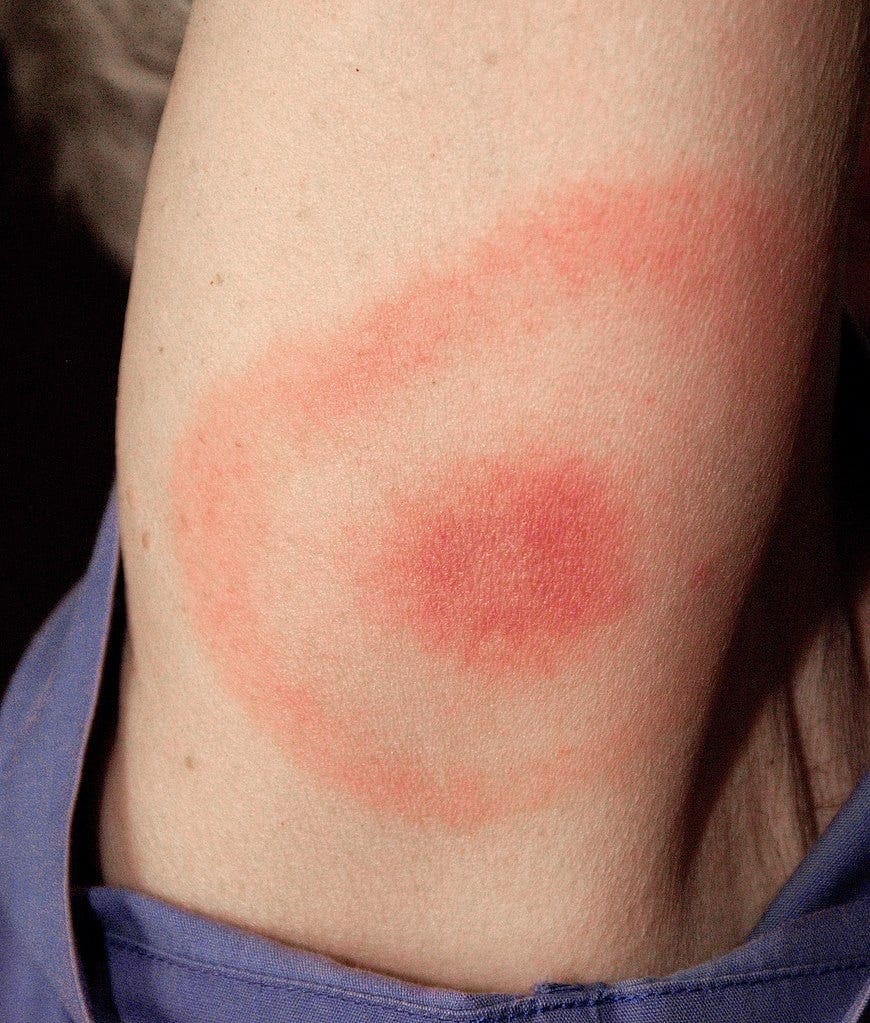
According to a recent Loudoun County health update, tick season is highest from May through October, and our area continues to report some of the highest Lyme disease rates in Northern Virginia.
Understanding how to prevent tick bites — and recognizing early symptoms — can help protect your family during the months ahead.
What Is Lyme Disease?
Lyme disease is a bacterial infection spread through the bite of an infected blacklegged tick (also known as a deer tick).
These ticks are commonly found in wooded areas, tall grass, and brush, making everyday outdoor activities a potential source of exposure.
Lyme disease is the most common tick-borne illness in Loudoun County, but other tick-related illnesses can also occur, which is why awareness is important.
Signs and Symptoms of Lyme Disease
One of the challenges with Lyme disease is that symptoms don’t always appear right away — and many people don’t remember being bitten by a tick.
Early symptoms may include:
- Fever or chills
- Fatigue
- Headaches
- Muscle or joint pain
- A “bull’s-eye” rash (erythema migrans)
These symptoms can feel similar to a viral illness, which is why they’re sometimes overlooked.
If untreated, Lyme disease can affect the joints, heart, and nervous system, making early recognition and treatment especially important.
When Does Lyme Disease Spread?
Ticks can be active year-round, but risk is highest during warmer months.
In general, Lyme disease transmission usually requires a tick to be attached for at least 24 hours, although other tick-borne illnesses may spread more quickly.
Because tick bites are often painless and easy to miss, regular checks after outdoor activity are essential.
How to Prevent Tick Bites
Simple prevention steps can significantly reduce your risk of Lyme disease:
- Use insect repellent with 20% DEET or EPA-approved ingredients
- Wear long sleeves and long pants when outdoors
- Avoid tall grass and stay in the center of trails
- Choose light-colored clothing to spot ticks more easily
- Check your child’s skin, scalp, and clothing after outdoor activities
- Shower within two hours of coming indoors
- Place clothes in the dryer on high heat after outdoor exposure
- Remove ticks promptly with fine-tipped tweezers

These small habits can help protect both children and adults during peak tick season.
When Should You Get Checked?
You should consider medical evaluation if your child or family member has:
- A rash after outdoor exposure
- Flu-like symptoms during tick season
- Unexplained fatigue or joint pain
- A known or suspected tick bite
Even if symptoms seem mild, early evaluation can help guide next steps and prevent complications.
Lyme Disease Care in Loudoun County and Northern Virginia
At Night Watch Urgent Care, we evaluate tick bites, rashes, and symptoms of Lyme disease with same-day care across Northern Virginia.
Our providers understand that early symptoms can be subtle, and we’re here to help you determine whether further evaluation or treatment is needed.
We’re open evenings and weekends, so you don’t have to wait to get your child checked.
CATEGORY
4/06/2026
POSTED
Respiratory symptoms in children are becoming more common across the United States, especially during seasonal transitions. Many healthcare providers are reporting an increase in cough, wheezing, and asthma flare-ups in children, often triggered by a mix of viruses, allergies, and weather changes.
We’re seeing the same pattern locally at Night Watch Urgent Care in Stone Ridge (Aldie), Manassas, and Winchester, where more families are coming in with concerns about their child’s breathing.
For many children, symptoms begin mild — a simple cough or slight fatigue — but can progress quickly if not monitored closely.
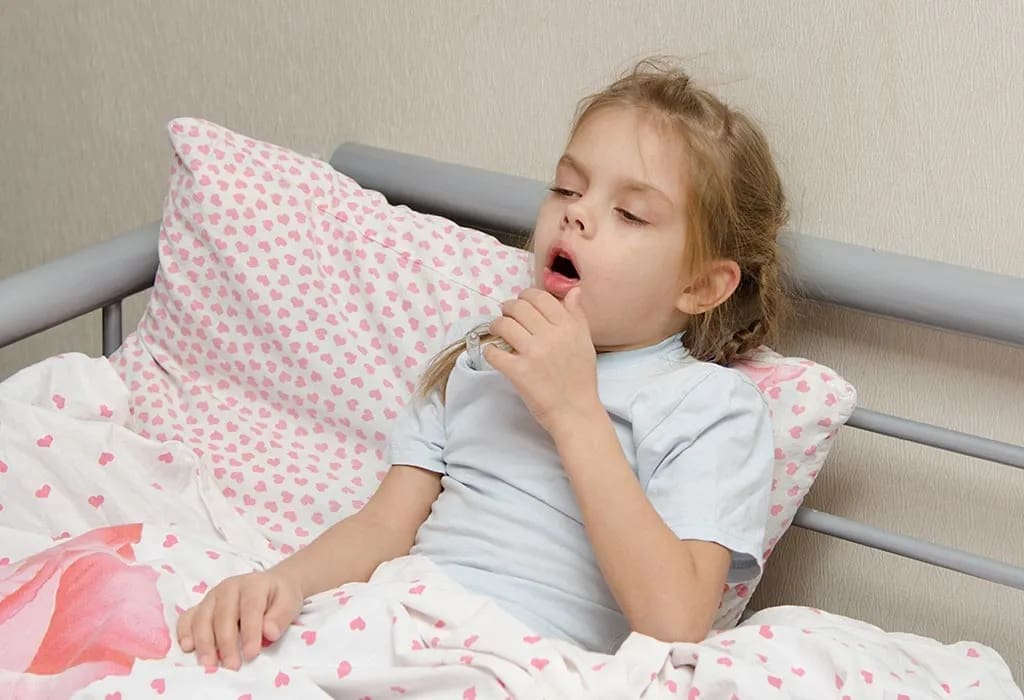
Common Breathing Symptoms in Kids
Breathing problems in children don’t always look severe at first, which can make it difficult for parents to know when to be concerned.
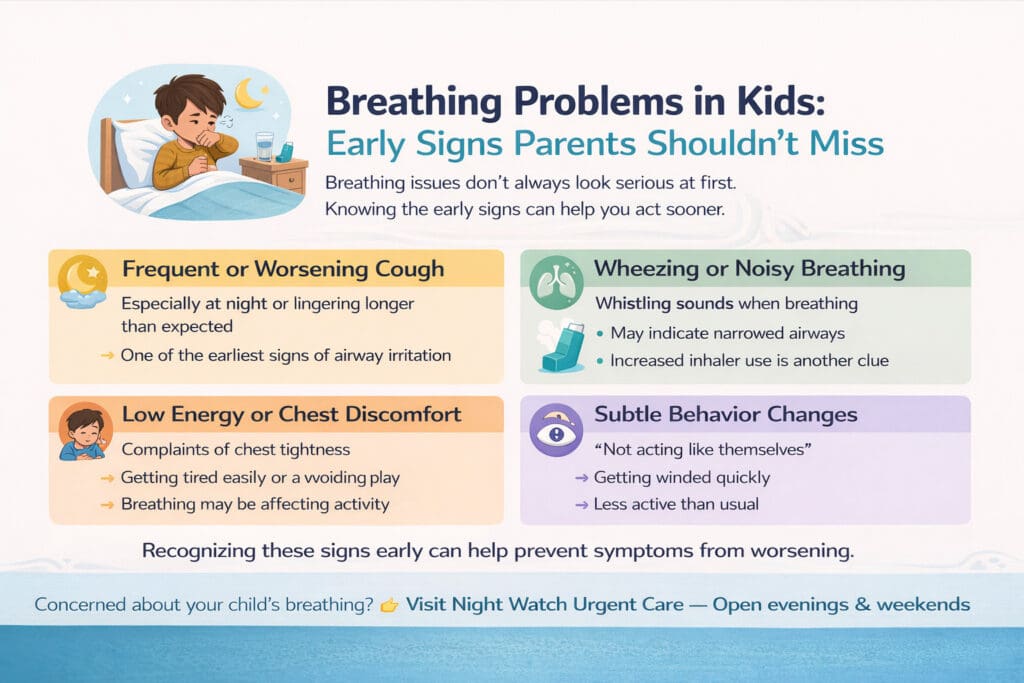
A frequent or worsening cough, especially at night, is often one of the earliest signs. Some children may start needing their inhaler more often than usual, while others develop a wheezing or whistling sound when breathing, which can indicate narrowed airways.
In other cases, children may complain of chest tightness or appear more tired than usual. Subtle changes — like avoiding play, getting winded easily, or simply “not acting like themselves” — can be early indicators that their breathing is affected.
Recognizing these signs early can help prevent symptoms from worsening.
When to Bring Your Child to Urgent Care
If your child’s symptoms are not improving with home care or their usual medications, it may be time to have them evaluated.
At Night Watch Urgent Care, we regularly treat children with asthma flare-ups, persistent cough, and breathing difficulties who benefit from same-day care. Early evaluation allows providers to assess your child’s breathing, adjust treatment if needed, and help prevent symptoms from escalating.
Seeking care sooner rather than later can reduce the likelihood of needing emergency treatment.
When Breathing Symptoms Become Urgent
Some symptoms require immediate medical attention and should not be delayed.
If your child is breathing rapidly, struggling to catch their breath, using extra muscles to breathe (such as ribs pulling in or nostrils flaring), or having difficulty speaking, they should be taken to the emergency room right away.
Other warning signs include bluish lips or face, extreme fatigue, or unusual drowsiness. These may indicate serious respiratory distress and require urgent care.
Pediatric Urgent Care for Breathing Issues in Northern Virginia
At Night Watch Urgent Care, we provide evaluation and treatment for asthma flare-ups, wheezing, and respiratory symptoms in children across Northern Virginia.
Our clinics offer:
- Same-day urgent care visits
- Breathing treatments, including nebulizer therapy
- On-site evaluation and monitoring
We’re open every day, including evenings and weekends, so families can access care when symptoms start — not hours later.
CATEGORY
3/30/2026