


blog spot
THE
health hub
A collection of helpful articles & information to spread awareness through education from our staff to you

The Small Sips Rule: What to Do After Your Child Vomits
Night Watch Urgent Care | Pediatric Health Blog | May 2026
Locations: Manassas
Your child just threw up. You want to help them feel better. You want to give them something to drink.
But here is where a lot of parents make the situation worse without realizing it.
They either wait too long to give fluids, or they give too much too fast. Both responses can trigger more vomiting, speed up dehydration, and make recovery take longer than it needs to.
There is a better way. It is called the small sips rule, and it is one of the most practical things you can know as a parent.
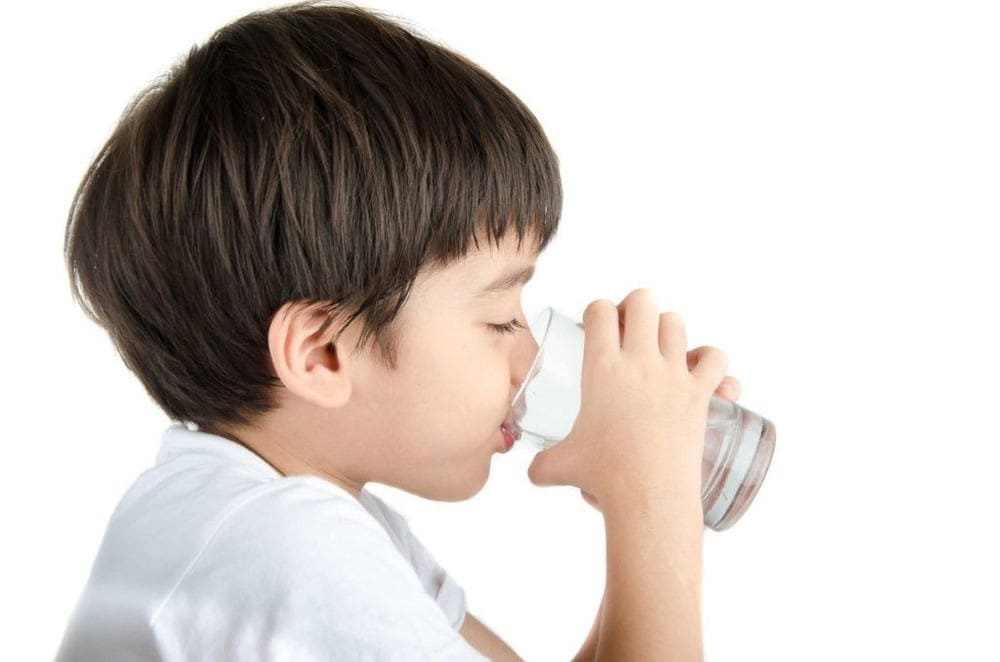
Why the Stomach Needs Time After Vomiting
When a child vomits, the stomach is irritated and in a heightened state. The muscles that control the stomach are still unsettled, and the body needs a short window to calm down before it can accept anything again.
Giving fluids too quickly, even water, can overwhelm a sensitive stomach and trigger another vomiting episode. This is not a sign that your child is getting sicker. It is simply the stomach rejecting too much too soon.
The small sips rule exists to work with the body, not against it.
The Small Sips Rule: Step by Step
Step 1: Wait 15 to 20 minutes after the last vomiting episode before offering anything.
This is the part most parents skip. It feels counterintuitive to wait when your child is uncomfortable and asking for water. But giving fluids immediately after vomiting is one of the most common reasons vomiting continues.
Step 2: Start with one teaspoon every 5 minutes.
One teaspoon. That is it. Not a cup. Not a few gulps. Just one teaspoon, offered slowly, every 5 minutes.
A teaspoon is about 5 milliliters. You can use a small medicine syringe if your child will not sip from a cup or spoon.
Step 3: If they keep it down for 30 minutes, slowly increase the amount.
After 30 minutes of keeping small sips down, you can move to a tablespoon every few minutes. Then gradually work up to small sips on demand.
The goal is slow and steady. Do not rush this process even if your child says they are thirsty. The stomach needs time.
What to Give and What to Avoid
Not all fluids are equal when it comes to vomiting and dehydration recovery.
Best options:
- Pedialyte or oral rehydration solutions (ORS)
- Water, if ORS is not available
- Frozen Pedialyte pops or ice chips
- Clear broth in small amounts once vomiting has settled
What to avoid:
- Juice and sports drinks. The high sugar content can irritate the gut and worsen diarrhea.
- Milk or dairy. Can be harder to digest and may increase nausea.
- Carbonated drinks. The bubbles can make nausea worse.
- Large amounts of plain water all at once. In young children, too much plain water without electrolytes can cause an imbalance.
When Is It Safe to Introduce Food Again?
Food is not the priority right away. Hydration comes first.
Once your child has kept fluids down for several hours and vomiting has stopped or significantly slowed, you can slowly reintroduce bland foods.
Think plain crackers, toast, banana, or plain rice. Small amounts. Let your child guide how much they want.
Do not push food if they are not interested. Appetite coming back slowly after a stomach illness is completely normal and expected.
Signs of Dehydration to Watch For
This is the most important part of managing vomiting at home. Dehydration in children can develop faster than most parents expect, especially in younger kids.
Watch for these signs:
- Dry or sticky mouth and lips
- No tears when crying
- No urine in 6 to 8 hours or significantly fewer wet diapers
- Sunken eyes
- Unusual sleepiness or low energy
- Pale or mottled skin
If your child is showing more than one of these signs and is not keeping fluids down, it is time to get them evaluated. IV fluids may be needed to catch up on what has been lost.
When to Come In
Managing vomiting at home with the small sips rule works well for most cases. But there are situations that should not be waited out.
Come in to see us if:
- Vomiting has not slowed after 6 to 8 hours and your child cannot keep anything down
- You are seeing clear signs of dehydration
- Your child is under 1 year old and has vomited more than twice
- There is blood or green color in the vomit
- Vomiting is accompanied by severe belly pain, especially on the right side
- Your child had a head injury before the vomiting started
- Something just does not feel right
That last one matters. You know your child. If their behavior seems off, they are unusually pale or limp, or your gut is telling you something is wrong, come in. We would rather see them and reassure you than have you managing something serious at home.
We Are Here When You Need Us
At Night Watch Urgent Care, we see children with vomiting and dehydration every day across our clinics in Northern Virginia. Whether it is a stomach bug, norovirus, or something else, we can evaluate your child quickly and help you get on the right path.
We offer IV fluids on site when needed, and our team will give you a clear plan for home care before you leave.
Open late every weekday and every weekend. Walk-ins always welcome.
CATEGORY
5/09/2026



COMMENT LOVE