blog spot
THE
health hub
A collection of helpful articles & information to spread awareness through education from our staff to you

Seasonal allergies are one of the most common conditions we see in children — especially this time of year.
Across our clinics in Aldie (Stone Ridge), Manassas, and Winchester, we’re seeing more kids come in with congestion, sneezing, itchy eyes, and symptoms that seem to linger longer than expected.
For many families, it can feel confusing. Symptoms come and go, don’t fully resolve, and often look like a cold.To help you better understand what’s going on, here are five things many parents don’t realize about kids’ seasonal allergies.
1. Allergies can trigger asthma flare-ups
If your child has asthma, there’s a strong chance that allergies are playing a role.
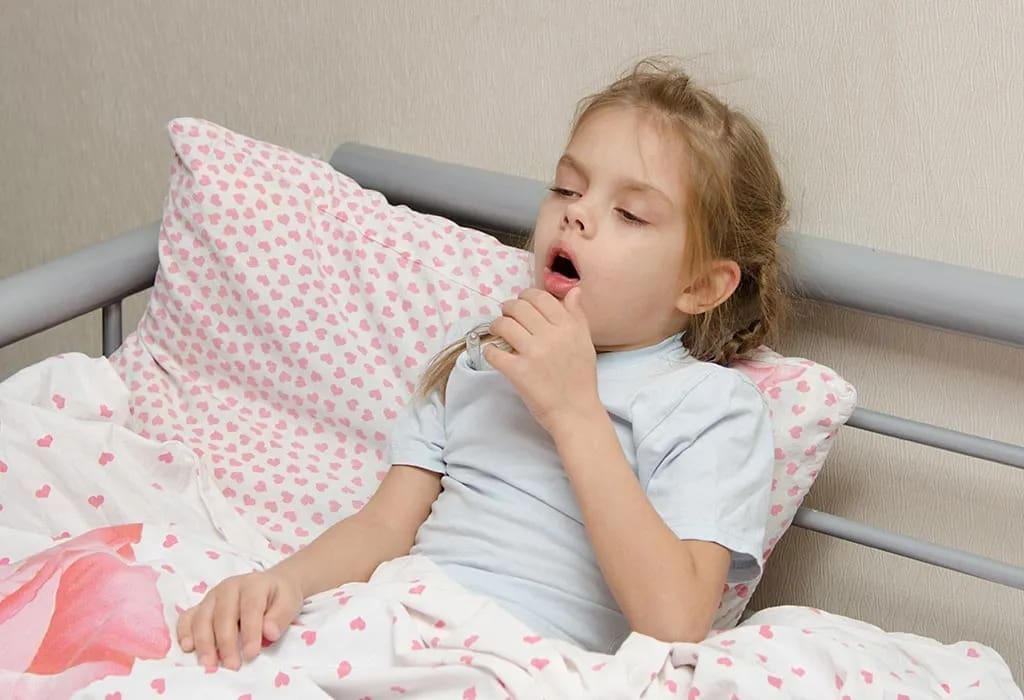
In fact, many children with asthma also have environmental allergies that can trigger symptoms like coughing, wheezing, and shortness of breath. This is especially common during seasonal changes when pollen levels are higher.
That’s why breathing symptoms may seem worse when allergy symptoms are also present — and why early management matters.
2. Waiting for symptoms to start can make them harder to control
Many allergy treatments are designed to prevent symptoms, not just treat them after they begin.
If your child tends to have seasonal allergies every year, starting treatment early — before symptoms peak — can help reduce how severe they become.
This is something many parents don’t realize until symptoms are already in full swing.
3. Not all home remedies work the way you think
You may have heard that local honey can help with allergies.
While honey is safe for children over 1 year old and can soothe a cough, there’s no consistent evidence that it prevents or treats seasonal allergies.
It’s fine to use as a comfort measure — just not as a primary solution for allergy symptoms.
4. Pollen counts don’t tell the whole story
Checking the pollen count can be helpful, but it doesn’t always explain your child’s symptoms.
Different children react to different types of pollen — like tree, grass, or weed pollen — and most reports only show a general overall level.
That’s why some kids may have significant symptoms even when the pollen count doesn’t seem especially high.
5. There are more treatment options than you might think
For some children — especially those with persistent or more severe symptoms — there are additional options beyond basic allergy medications.
These may include targeted treatments or allergy-specific therapies, depending on your child’s age, symptoms, and triggers.
The right approach varies for each child, which is why getting the right evaluation can make a difference.
What this means for parents
If your child’s symptoms are lingering, worsening, or not responding the way you expected, you’re not alone.
We’re seeing a lot of this right now.
Sometimes it’s straightforward seasonal allergies. Other times, symptoms may overlap with other conditions.
Either way, getting clarity can help guide the right next steps and help your child feel better sooner.
Allergy care at Night Watch Urgent Care
At Night Watch Urgent Care, we evaluate and treat seasonal allergies and related symptoms in children across Northern Virginia.
We help determine what’s causing your child’s symptoms and recommend the next steps — whether that’s supportive care, symptom management, or further evaluation.We’re open every day, including evenings and weekends, so you don’t have to wait while symptoms linger.
Seasonal allergies can be frustrating — especially when symptoms don’t go away as expected.
If you’re unsure what’s normal or what to do next, it’s always okay to have your child evaluated.
CATEGORY
5/01/2026
POSTED
A quick update from our clinics
Allergies are everywhere right now.
Over the past week, we’ve been seeing a steady flow of kids coming into our clinics in Aldie (Stone Ridge), Manassas, and Winchester with the same pattern of symptoms.
It’s not the typical “gets better in a few days” kind of illness.
It lingers.
And that’s what’s making it confusing for a lot of families.
What we’re seeing in clinic
Most kids we’re seeing right now are coming in with:
- Congestion that won’t go away
- Frequent sneezing
- Runny nose that keeps coming back
- Itchy or watery eyes
- Red, irritated eyes (often mistaken for pink eye)
- A cough that’s worse at night
For many parents, it starts off feeling like a simple cold. But after a few days, it doesn’t improve the way they expected.
Instead of getting better, symptoms just stay — or fluctuate throughout the day.
That’s been one of the biggest patterns we’re seeing.
Why symptoms are worse right now
This is very typical for this time of year in Northern Virginia.
Pollen levels are rising, the weather keeps shifting, and allergens are more active — especially outdoors.
Even children who don’t usually have strong allergies can start showing symptoms when exposure increases.
And because allergy symptoms can overlap with colds, it’s easy to misread what’s going on.
When it’s more likely allergies
There’s no single symptom that confirms it, but there are a few patterns we’re seeing consistently right now.
Symptoms that linger beyond a few days, come and go, or seem worse in the morning or after being outside are often allergy-related.
Itching is another big clue — especially itchy eyes, nose, or throat — which isn’t as common with viral illnesses.
Most of the time, the discharge is also clear rather than thick, and kids may seem uncomfortable but otherwise okay.
What to do next
Not every case needs immediate treatment, but getting clarity can help a lot.
If your child’s symptoms aren’t improving, are affecting sleep, or just don’t feel typical for them, it’s reasonable to have them evaluated.
Sometimes it’s simply confirming that it’s allergies and guiding you on what will help. Other times, it helps rule out something else.
Either way, it takes the guesswork out of it.
Allergy care at Night Watch Urgent Care
At Night Watch Urgent Care, we’re seeing and treating seasonal allergies in children every day right now.
We help families understand what’s causing their child’s symptoms and recommend the right next steps — whether that’s supportive care, allergy management, or further evaluation.We’re open every day, including evenings and weekends, so you don’t have to wait while symptoms linger.
CATEGORY
4/19/2026